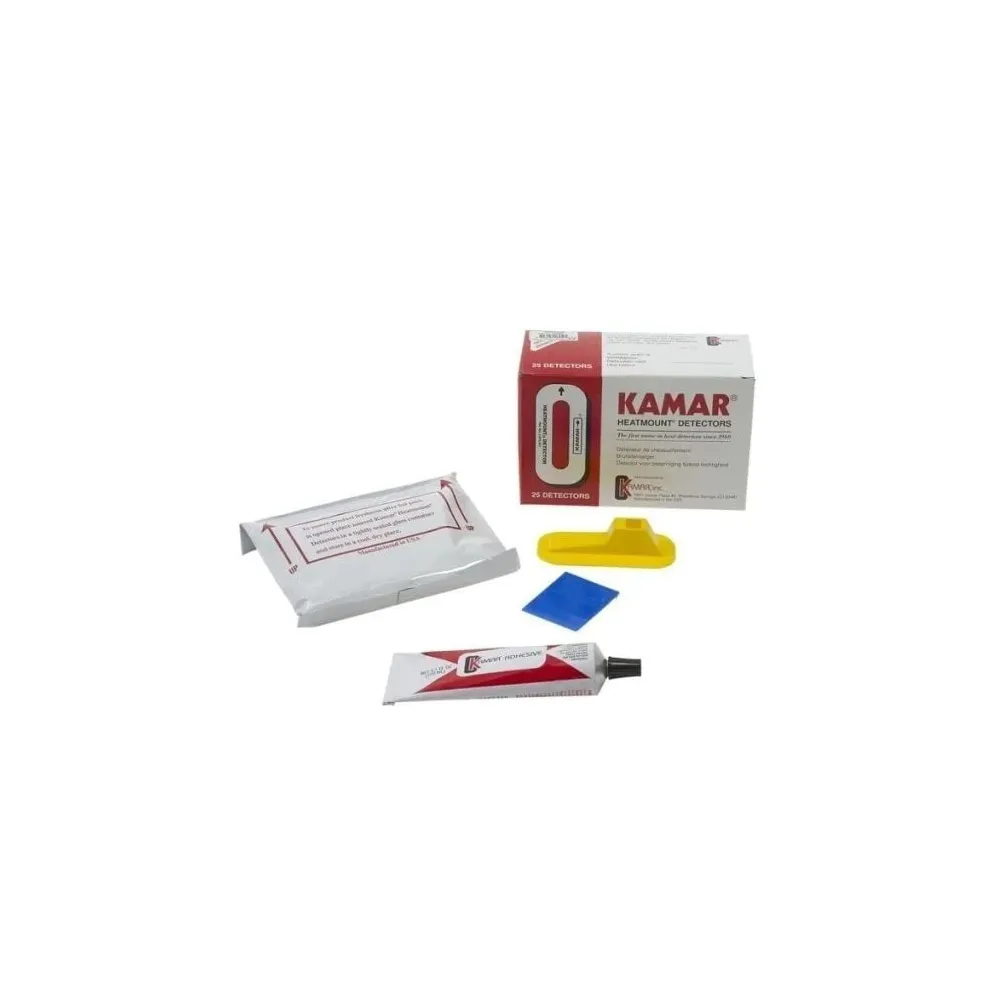
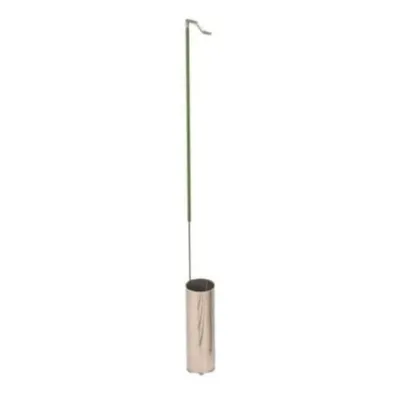
Kamar Estrus Detector (25 Units) - Sensitive Estrus Tracking System
Product Features
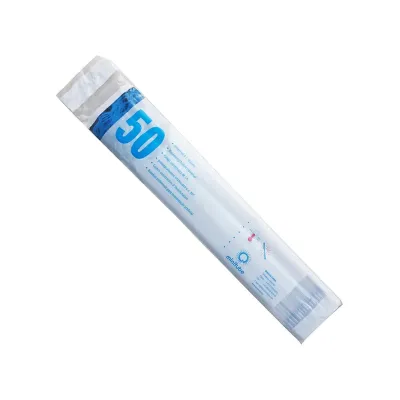
The package contains 25 detectors for professional herd management. It is applied to the rump (back) area of the animal to detect animals in estrus. Thanks to its pressure-sensitive special mechanism, it bursts and releases a bright red dye when another animal jumps on it. Designed to prevent false alarms; a certain weight and duration of pressure are required for the dye to spread. Minimizes estrus tracking time in the herd thanks to ease of visual monitoring. Increases business profitability by enabling timely and highly efficient artificial insemination.
Product Description
The Kamar Estrus Detector is one of the most reliable mechanical systems used in modern dairy and beef cattle farming to detect "silent estrus" or missed estrus periods. This detector, which is fixed to the animal's back with a special adhesive, works like a "pressure timer". It activates not only with accidental contact, but also when a real act of mounting occurs. The spreading red dye is easily noticeable even from a distance, helping the veterinarian determine the most accurate time for insemination.
Technical Advantages and Pros
Reduces Error Margin: It eliminates misleading signs by exploding not only during temporary contact but also during full mating pressure. Visual Warning System: The red dye warning allows for the identification of animals in heat within seconds in crowded herds. Economical Herd Management: Every missed heat cycle is a cost loss for the operation; Kamar prevents this loss and maximizes fertility. Weather Resistant: It has a durable outer surface that maintains its shape in rain, mud, and barn conditions. Easy Application: It has a lightweight and ergonomic structure that does not restrict the animal's movement.
Areas of Use
Mass heat monitoring in cattle breeding; Breeding operations that want to increase artificial insemination success; Situations where visual monitoring is difficult in pastures or free-stall barns; Precise monitoring of the first heat cycles in heifers.
Application Recommendation
Before attaching the detector, ensure that the hair on the animal's back is clean and dry. The detector should be positioned along the spinal line between the animal's tailbone and lower back, at the exact point where the animal's rib cage will apply full pressure.



 English
 Türkçe