Distilled Water: 99.9% Purity Solvent from Veterinary Medicine to Laboratories
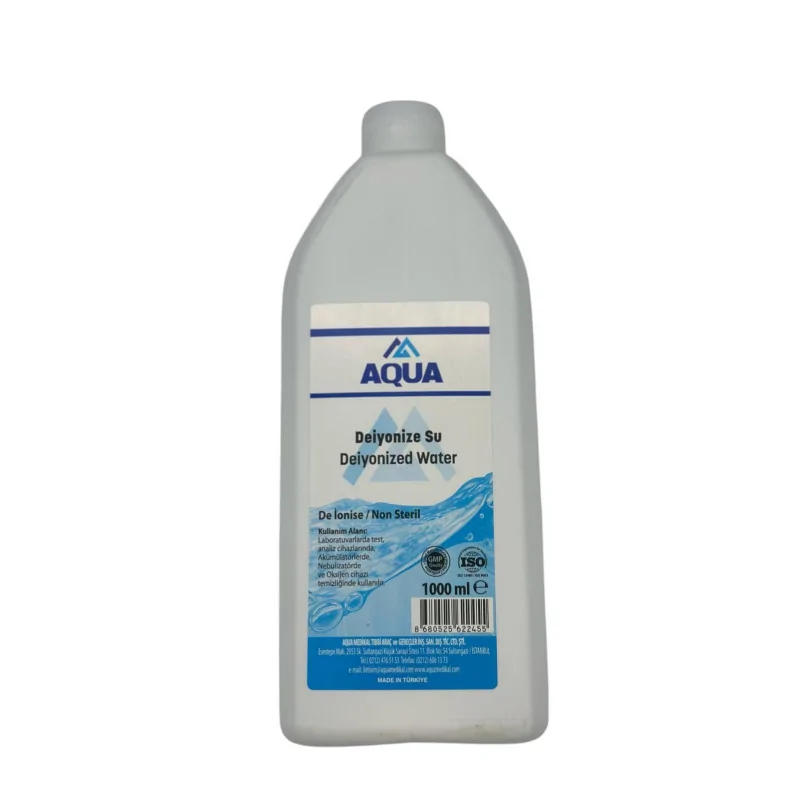
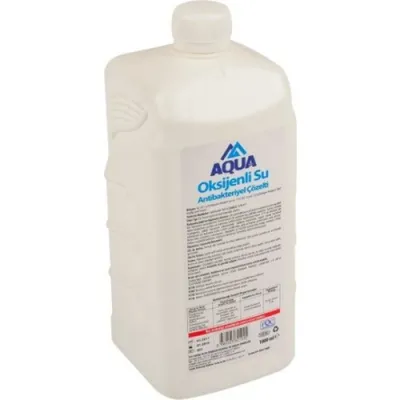
Distilled water is a form of water that has been purified by boiling, evaporating, and then re-condensing it, resulting in 99.9% pure water. This distillation process removes all minerals, salts, heavy metals, and microorganisms from the water. Mineral-free, chemically pure, and with very low electrical conductivity, this water is a fundamental solvent in any field requiring high purity. It has a wide range of uses, from automotive batteries to steam irons, cosmetics to the pharmaceutical industry, but because it contains no minerals, it is not recommended for long-term daily drinking.
Why is Distilled Water Indispensable in Veterinary Medicine and Medical Applications?
Due to its purity and sterility, distilled water plays vital roles in veterinary medicine and laboratories:
Safety of Injectable Solutions: Distilled water is used in the preparation of vaccines, serums, and other drug solutions. Its mineral-free composition does not disrupt the chemical balance of medications and is ideal for diluting drugs in intravenous (IV) treatments. Its purity minimizes the risk of infection.
Critical Sterilization Procedures: It is essential for cleaning surgical equipment and sterilizing instruments in autoclaves. Using mineral-free water in autoclaves prevents limescale buildup inside the device and extends its lifespan. It is also preferred for preparing surface disinfection solutions in clinics.
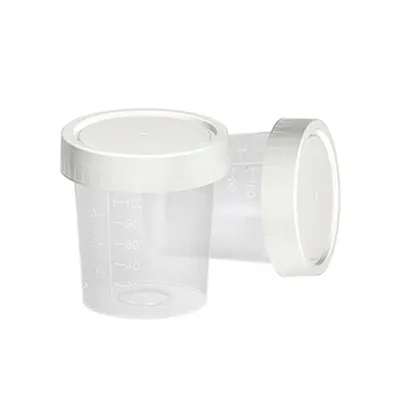
Sensitive Laboratory and Test Applications: Diluting samples with distilled water is essential for accurate results in laboratory tests such as blood and urine. It is also used as a pure solvent in microscopic examinations and dialysis/electrolyte solutions.
Wound and Sensitive Area Cleaning: In veterinary clinics, it is suitable for eye baths, washing open wounds, and vaporization in nebulizer devices for respiratory problems, providing a safe and chemical-free cleaning solution for animal health.
Distilled water, with its 99.9% purity, mineral-free composition, and sterilization compatibility, offers veterinarians a reliable and chemical-free application environment that reduces the risk of infection.



 Türkçe
 Azərbaycan dili