Türkçe
 Azərbaycan dili
 Deutsch

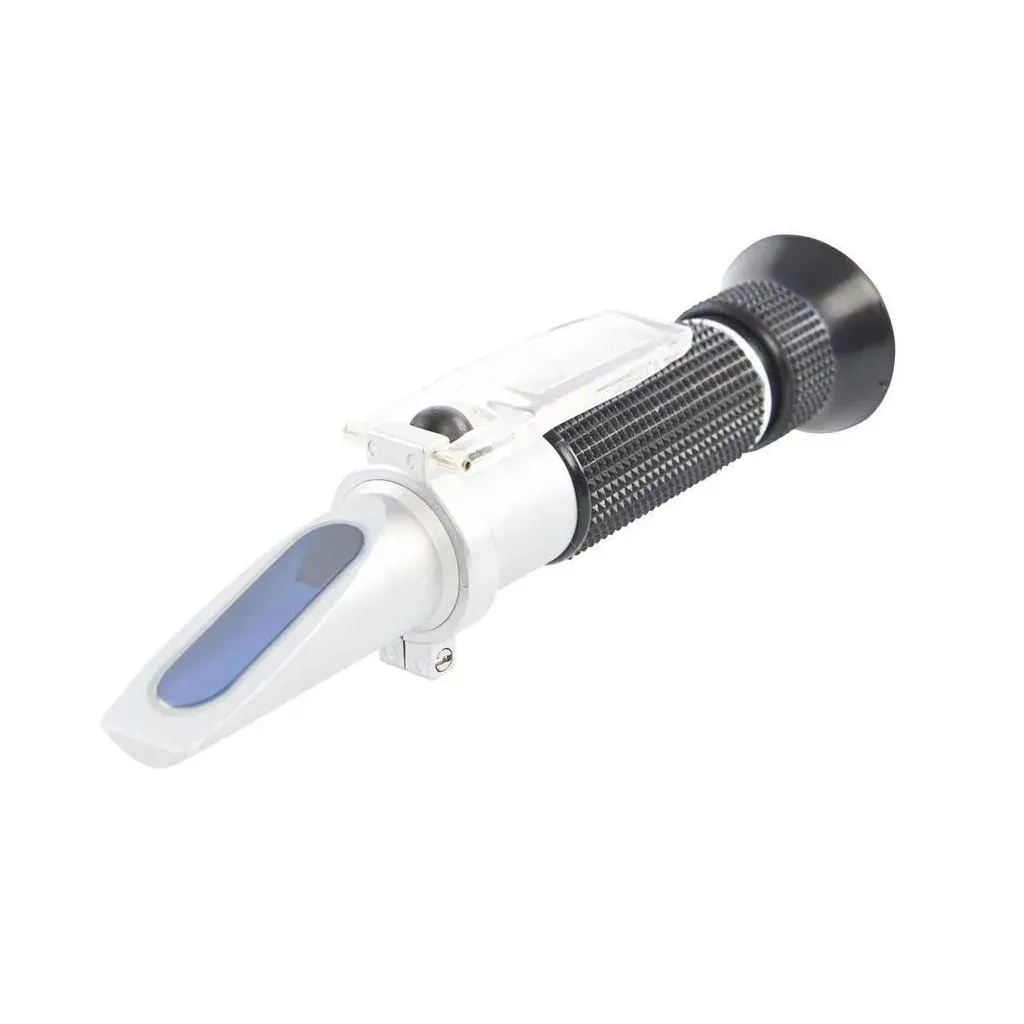
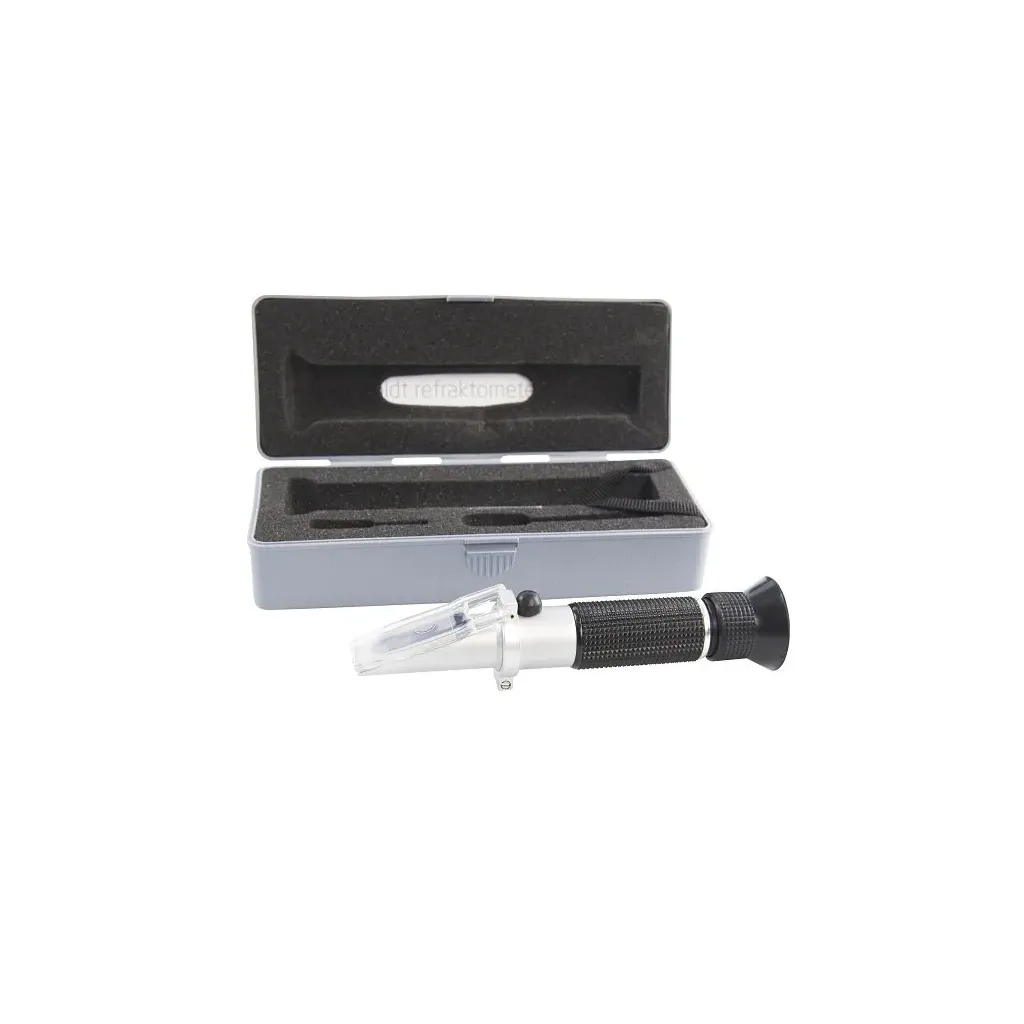
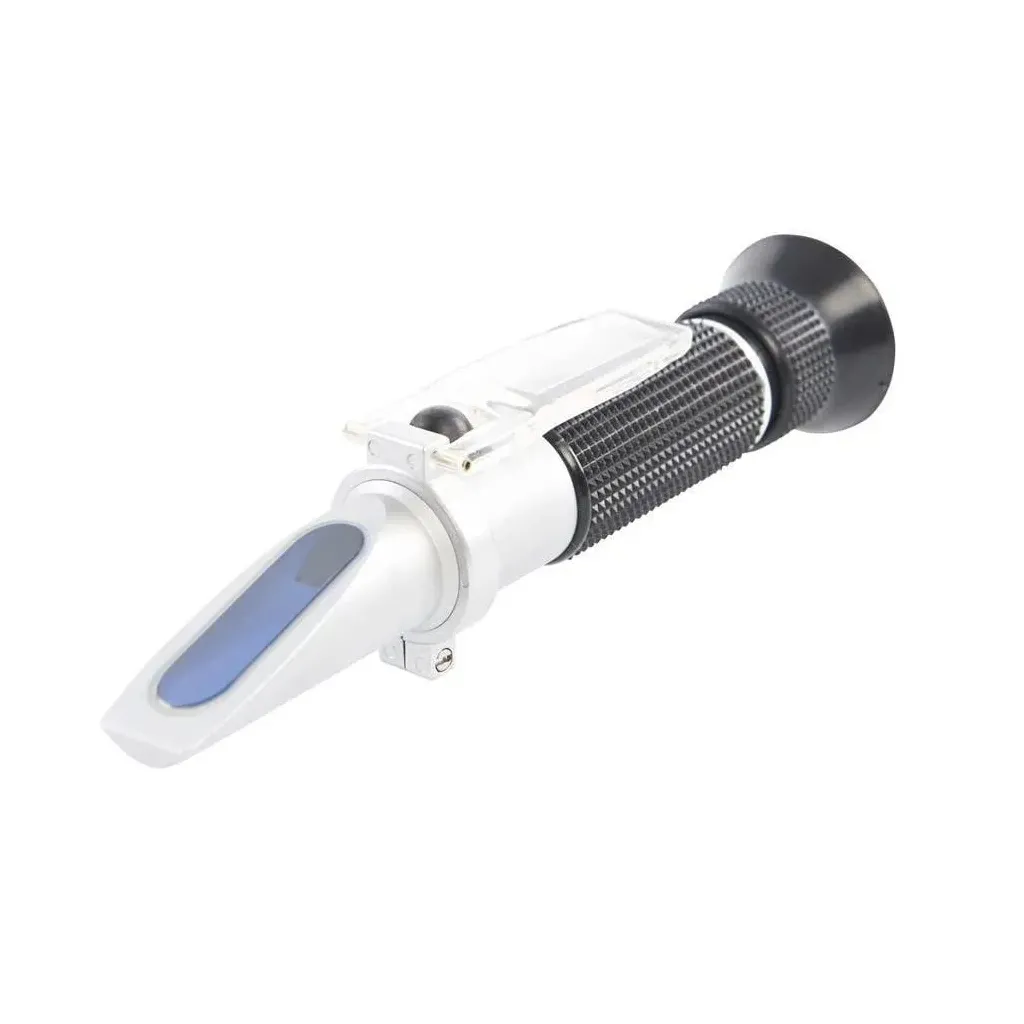
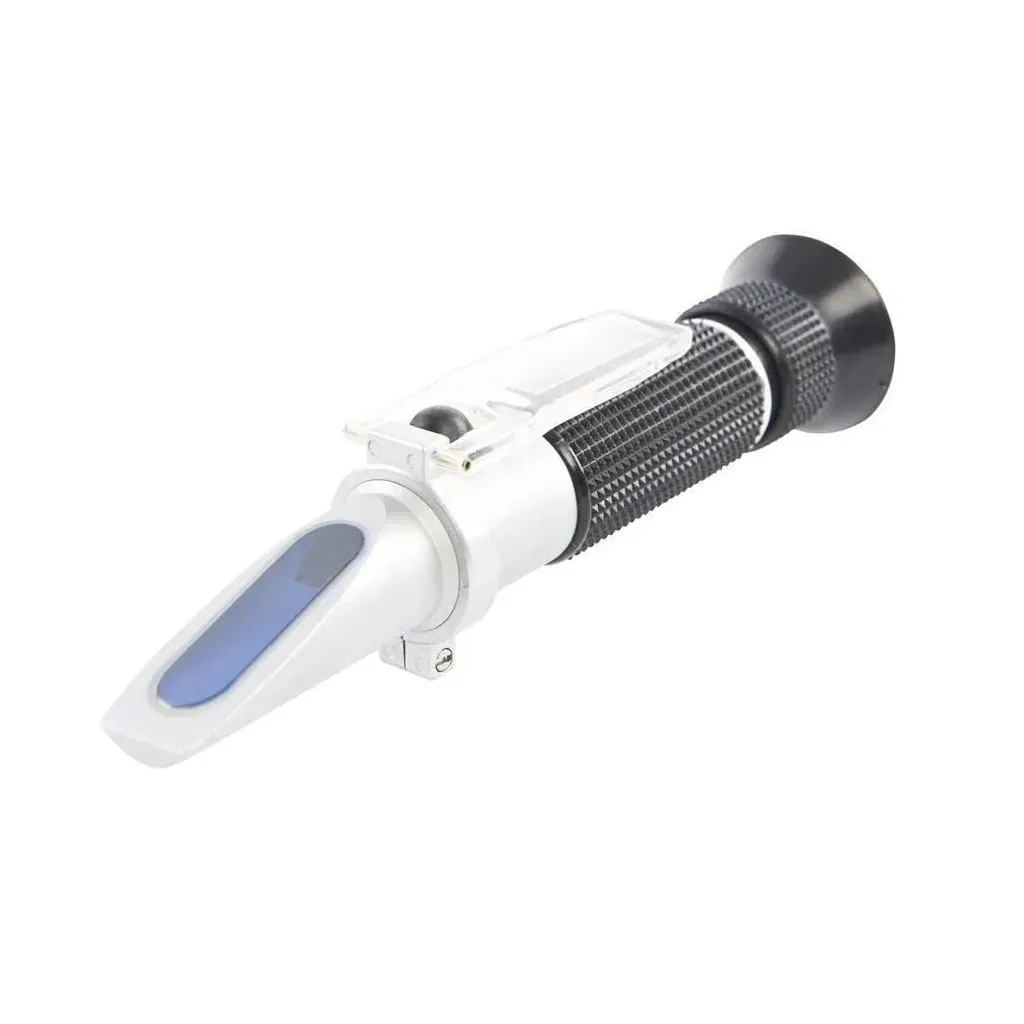
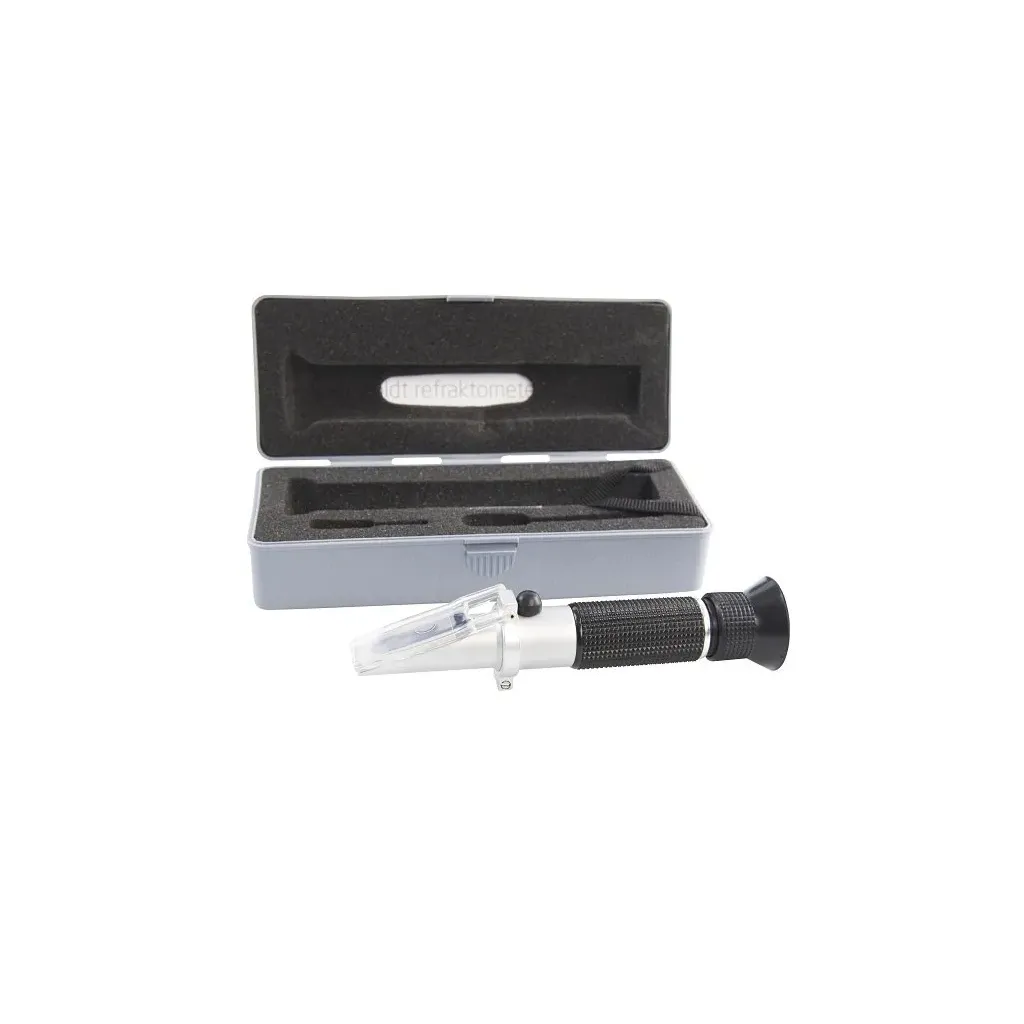
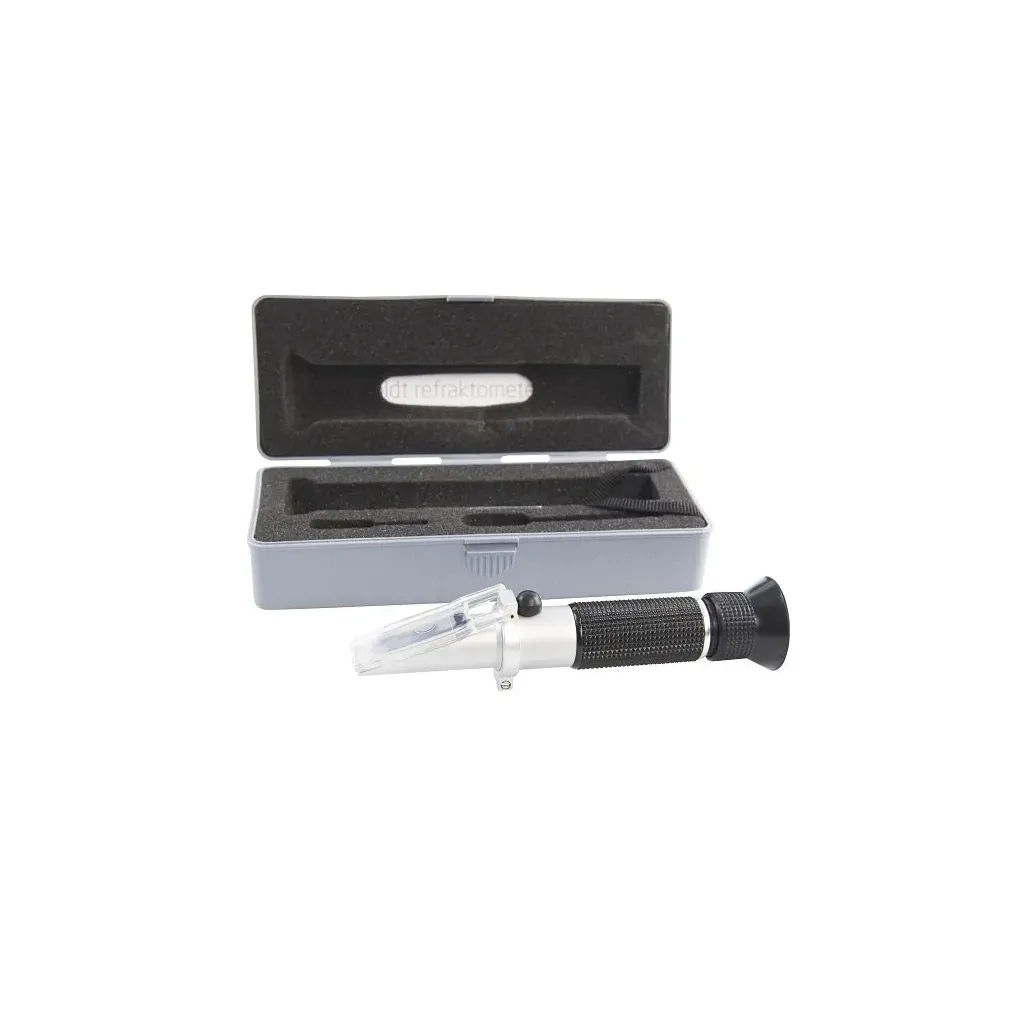
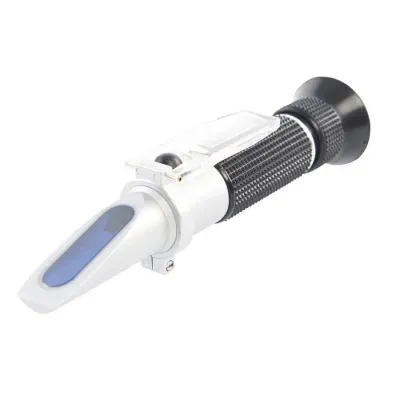
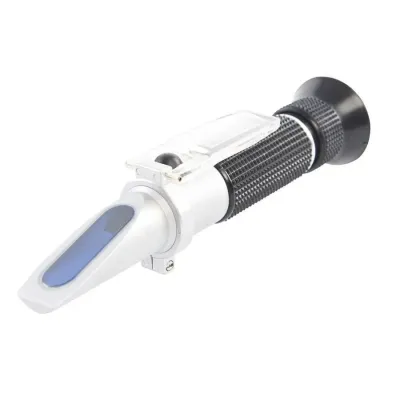
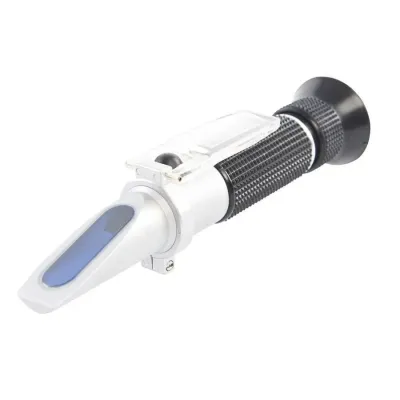
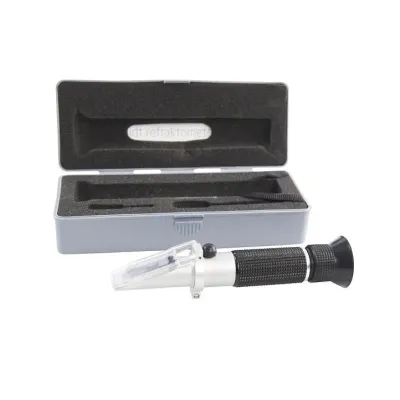
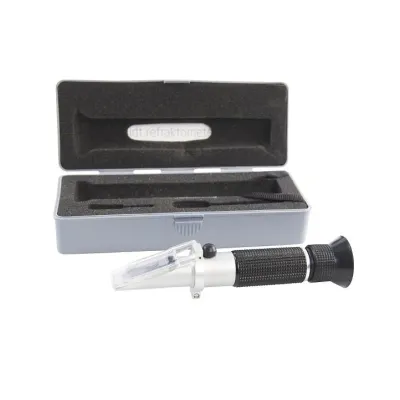

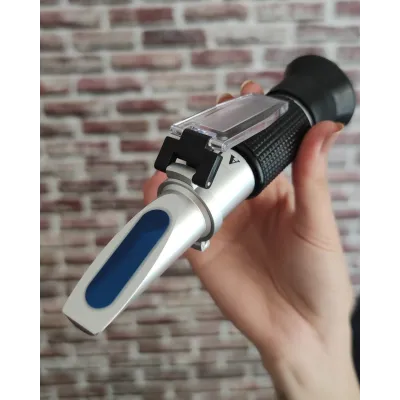
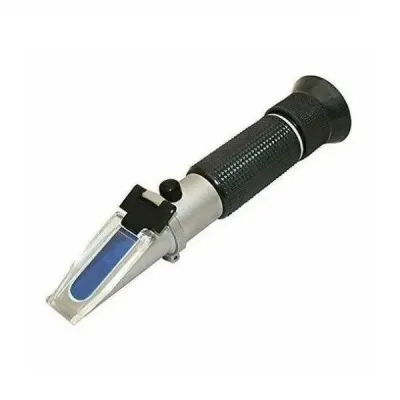
Kruuse Colostrum Refractometer - Colostrum Quality and Antibody Measurement Device Product Features Measures the quality of colostrum (first milk), the foundation of the immune system of newborn calves and foals, in seconds. Offers bidirectional use suitable for the analysis of both cow and mare colostrum. Precisely determines antibody (IgG) concentration using the principle of light refraction (Brix). A Brix value of 22% and above is considered the standard for high-quality colostrum (50 g/l IgG). Features an optical and mechanical operating system that does not require batteries or an external power source. Comes as a set with a shock-resistant protective case, cleaning cloth, and sample dropper. Product Description The Kruuse Colostrum Refractometer is a professional measuring device that monitors the quality of colostrum, which is critical for newborn animals to have a healthy start in life. Animals are born without antibodies in their blood, and receiving high-quality colostrum in the first 24 hours after birth is vital for their immune systems. This device measures the immunoglobulin (IgG) level in colostrum via the Brix percentage, allowing you to accurately determine whether the milk is sufficient or if additional supplementation is needed before giving it to the newborn. Colostrum Quality Chart (Brix % Values) Brix (%) Value Colostrum Quality Class IgG Concentration Status 30% and above Very Good Maximum Immune Support 20-30% Good Sufficient and Reliable 15-20% Suitable Borderline Value, Caution Required 15% and below Inefficient Insufficient Antibodies, Supplementation Required Technical Advantages and Procedures Life-Saving Analysis: Early prevention of diarrhea and pneumonia risk caused by low-quality colostrum Fast Decision Making: Instantly reports antibody levels varying according to season, disease history, or milk volume High Sensitivity: Clearly confirms the 50 g/l IgG equivalent based on a 22% threshold Easy to Use: Allows instant measurement in the field or barn with just a few drops of sample Durable Design: Kruuse Optical lenses produced with high quality maintain their calibration for many years. Areas of Application Calf feeding management in cattle farms Immune monitoring of foals in stud farms and horse breeding farms Newborn health screenings in veterinary clinics
Check size, model, material, package content and compatibility details before ordering.
It is used according to the product type for farm, veterinary, livestock, animal care, laboratory or daily operational needs.
It can be preferred by farms, veterinary clinics, animal care professionals, livestock businesses and individual users who need a suitable product for the stated use.
Check size, model, material, capacity, quantity, package content and compatibility details before placing an order.
Depending on its product group, it may be suitable for professional farm, veterinary or animal care workflows. Review the technical details to confirm suitability.
Compare the product title, size, model and technical description with your intended use. If the product has variants, choose the option that matches your need.
Material, dimensions, volume, connection type, package quantity and compatibility details are important for a correct purchasing decision.
The right product can support daily workflows by saving time, improving organization and helping users work with more confidence.
Follow the intended use, storage conditions and safety information shown on the product label, package or technical description.
Modern Ciftlik presents farm, veterinary and animal care products with clear product information to support confident purchasing decisions.
Compatibility information is usually included in the product name, variant options, technical details or description area. Review these fields before ordering.