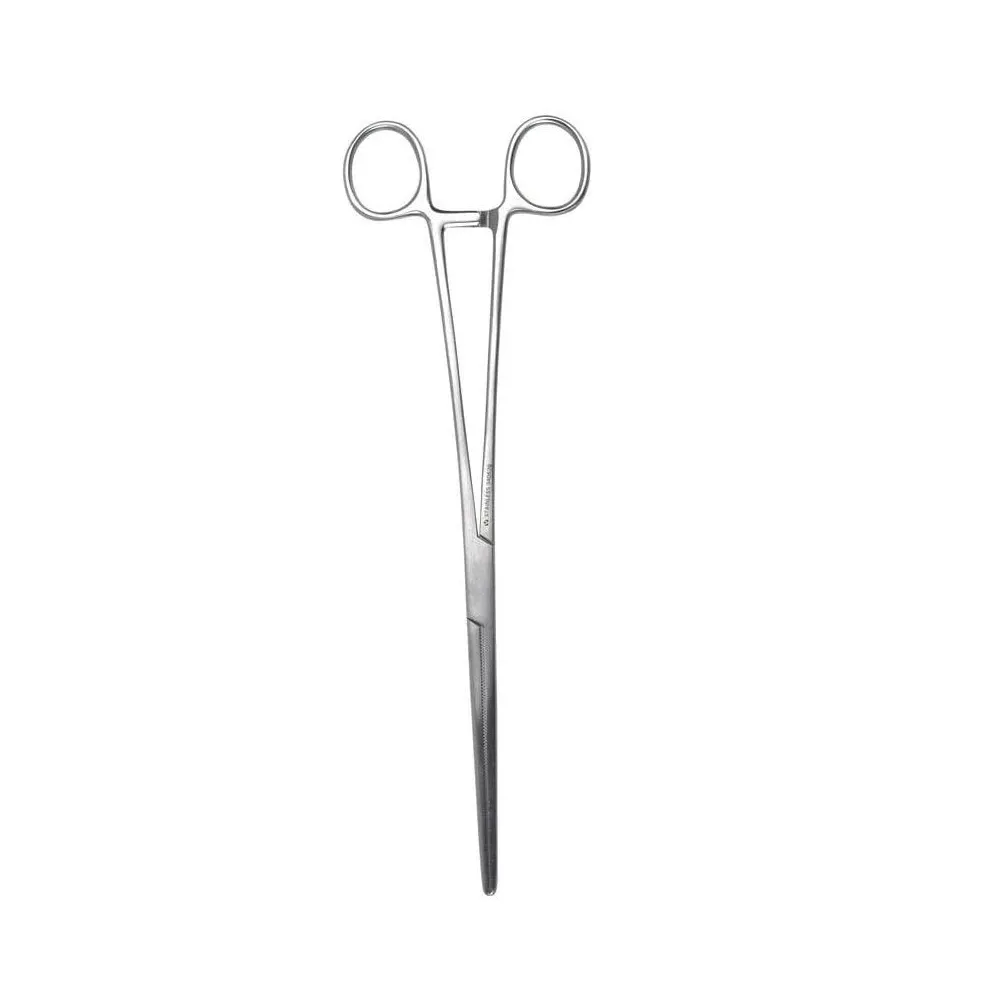
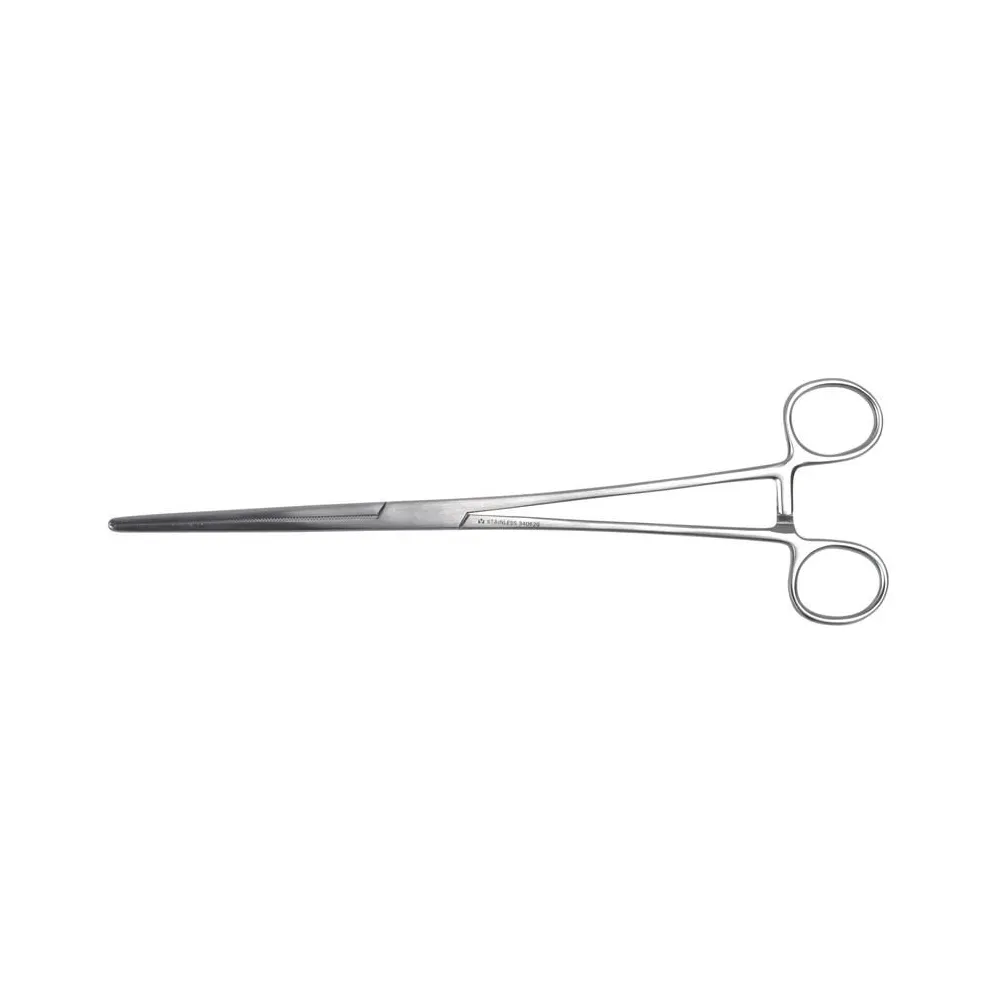
Kruuse Goblet Gripping Forceps 25 cm - Stainless Steel Laboratory and Surgical Equipment
Product Features
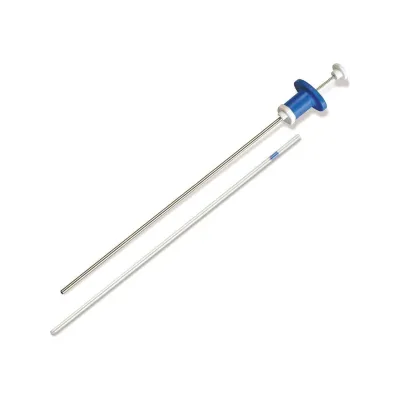
Provides a secure grip in deep containers and surgical areas with its ideal 25 cm (10 inch) length. Made of high-quality stainless steel, it is completely resistant to corrosion and rust. Features a special jaw structure for securing circular or cylindrical objects such as goblets (cups/tubes). Ergonomic handle design minimizes hand fatigue during prolonged use and offers full control. Suitable for sterilization in autoclaves and other medical sterilization methods. Thanks to its durable joint structure, it does not lose its precise grip even under high pressure.
Product Description
The Kruuse Goblet Gripping Forceps are designed for the secure handling and securing of cylindrical objects, tubes, or medical containers (goblets) in both laboratory and surgical procedures. Its 25 cm length allows the surgeon or lab technician to keep their hand at a safe distance from the working area, while its stainless steel body is resistant to the harshest chemicals and sterilization processes. Manufactured with Kruuse quality, these forceps are the ideal auxiliary instrument for those seeking precision and longevity in professional use.
Technical Superiority and Advantages
Secure Grip: The special curved jaw structure firmly holds cylindrical objects without slipping or damaging them. Sterilization Compatibility: Can be sterilized under high heat and pressure in all hospital-type autoclaves. Stainless Steel Quality: Thanks to its oxidation-resistant structure, it retains its original form for years. Precise Control: The joint mechanism operates smoothly without jamming, transmitting even the smallest movements. Versatile Design: Suitable not only for holding goblet containers but also for managing general sample containers in the laboratory.
Areas of Use
Surgical preparation in veterinary clinics and hospitals; Transfer of straws and goblet tubes in artificial insemination laboratories; Safe handling of chemical containers and test tubes in the laboratory; Placement and holding of small volume containers in sterile areas.



 Türkçe
 Azərbaycan dili